





Price of War is Paid in Kitchens, Not Only in Battlefields
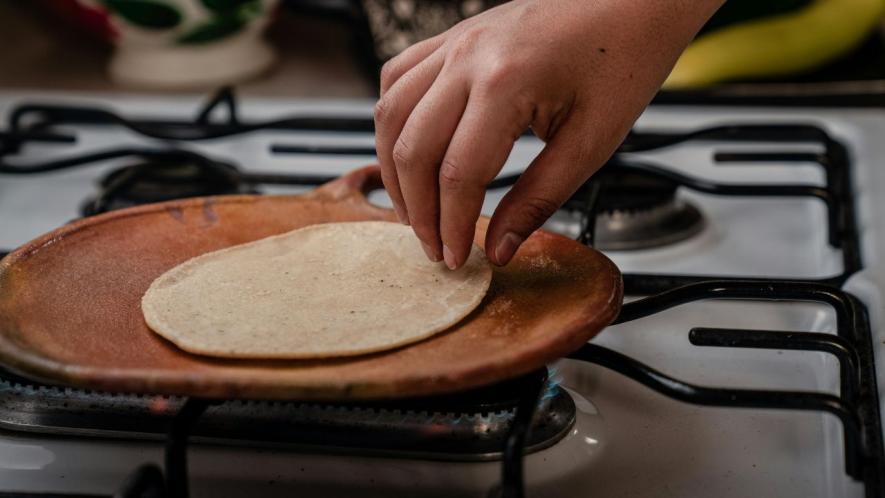
Representational image. Image Courtesy: Pexels
People in India don't usually see wars as shows. They come without sirens or headlines and settle into the most ordinary places, such as the kitchen, the ration shop, and the weekly market. When conflict starts to change everyday life, there is no statement. There was only a slow adjustment: using less cooking oil, buying fewer vegetables, and protein slowly leaving the plate.
It may seem like there is a huge distance between a battlefield in Eastern Europe or West Asia and a home in India. But in today's interconnected world economy, that distance quickly shrinks. Wars hurt trade routes, raise the price of fuel, and change the way commodities are traded. What looks like a geopolitical conflict outside the country quickly turns into rising prices at home. The kitchen becomes the place where the world's instability is dealt with and worked out.
The ongoing aftershocks of the Russia-Ukraine war are probably the most obvious example of this chain reaction. The effects went beyond the balance of exports and imports when grain shipments stopped in the Black Sea and sanctions changed the flow of money around the world. They affected the prices of livestock feed, edible oils, and, finally, the cost of food every day.
India couldn't stay isolated, even though it was mostly agricultural. Because the country relied on imported edible oils, global volatility would show up at home as inflation.
But the story of rising food prices isn't just about supply problems. It is also about how weak the system is by nature. War does not create vulnerability; it reveals and exacerbates pre-existing conditions. India's food system has long been full of contradictions. For example, it is self-sufficient in staples but relies on imports for important goods. It also produces too much food while many people are starving. In this kind of system, small shocks can have big effects.
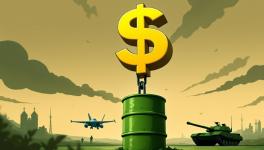
One of the most direct ways to send information is through fuel. As wars raise the prices of energy around the world, the costs of transportation go up, which affects every part of the food supply chain, from harvesting and storing to distributing and selling. Gas prices go up quickly in a country where perishable goods have to travel long distances in dangerous conditions. So, consumer inflation is not caused by one thing, but by a number of things building up along the supply chain.
But if you only think of this as an economic problem, you will miss the bigger picture. Food inflation also has to do with class: who can afford to pay more and who can't. Wealthier households may need to make changes because of higher prices, while poorer households may need to make sacrifices. Sometimes meals are less frequent, less varied, and less healthy. Women in homes often have to deal with scarcity, and they do so in ways that aren't usually talked about in policy debates.
There is also a political side to how these issues are dealt with. Governments usually react the most strongly to sudden, sharp price increases. They often do this with short-term measures, such as export restrictions, price controls, or higher subsidies. These programmes may temporarily stabilise markets, but they almost never get to the bottom of why crises keep happening. More importantly, they frame the problem as one of management instead of structural change.
India's deep involvement in global commodity systems without the right protections is still a problem. It is open to problems all over the world because it relies on imports for important foods like edible oils. India's reliance on foreign fertilizer markets links its farming to things that happen in other parts of the world that it can't control. In this case, the country's political stance also affects food inflation, not just supply and demand.
Wars also change what is important. Countries that are directly involved in a conflict or have a strategic relationship with it often get better access to resources. Others have to deal with uncertainty while trying to buy things in markets that change. For India, this means balancing diplomatic ties with economic needs, making sure it can get oil, fertilisers, and food while keeping its strategic independence. These choices about foreign policy have a direct effect on the stability of prices at home.
But there is a more subtle change happening that is just as important but harder to put into words. Prices of food go up, and people change how they eat. Families are moving away from nutritious foods that are now more expensive toward foods that are cheaper and full of calories. This can make public health problems worse over time by linking long-term dietary effects to geopolitical warfare. The effects of war are not only immediate but also last for generations.
To deal with this, India's policy strategy needs to move from being reactive to being more proactive. This includes getting imports from a wider range of places, investing in making important inputs at home, and making local food systems stronger so they can handle shocks from around the world.
Equally crucial is the need to develop social protection mechanisms in ways that respond to price volatility, ensuring that the most vulnerable people are not pushed deeper into insecurity.
But arguably the most pressing transition is intellectual. Food inflation should not be viewed as a standalone economic indicator but rather as a reflection of underlying structural and political processes. In India, the cost of war is not being borne on far-off battlefields. People are paying for it every day in kitchens.
The writer is a columnist and climate researcher with experience in political analysis, ESG research, and energy policy. The views are personal.
Get the latest reports & analysis with people's perspective on Protests, movements & deep analytical videos, discussions of the current affairs in your Telegram app. Subscribe to NewsClick's Telegram channel & get Real-Time updates on stories, as they get published on our website.