





Meant to Be a Protest, NOTA is Becoming a Comfort Zone
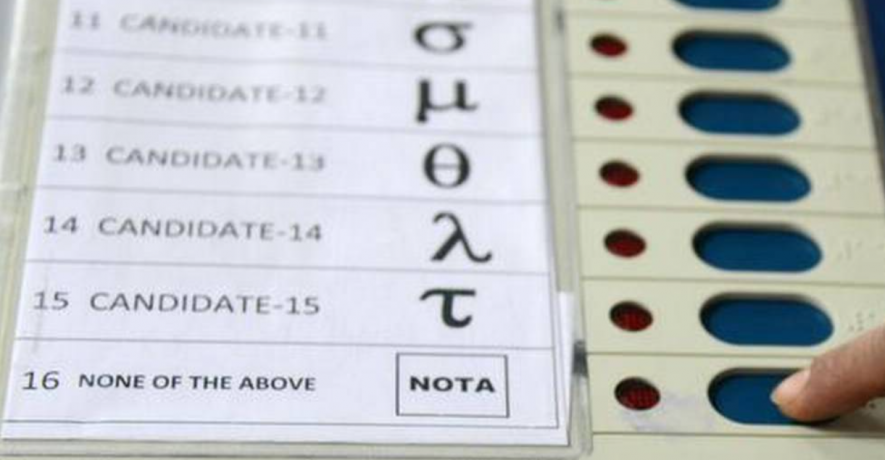
The NOTA button on the EVM (electronic voting machine) is no longer a last-minute choice for unhappy voters in India's upcoming elections. It has quietly become a sign of a larger political climate that includes anger, cynicism, and giving up.
In 2013, NOTA ("None of the Above") was added to the ballot paper so that voters could vote without choosing any of the candidates. It promised to hold parties and candidates more accountable, which would make them put forward cleaner, more believable candidates. But years later, NOTA is more often a comfort than a challenge: it's a safe way to show that you don't like something without making the power system angry.
From Moral Protest to Regular Disengagement
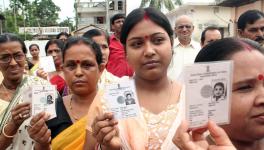
At first, NOTA was seen as a good thing for democracy. It gave voters a formal, secret way to show that they were unhappy with the candidates. In some districts, NOTA votes have outnumbered the margin of victory. This shows that some people feel left out by the party system. But as time goes on, the outcry has started to feel empty. The candidate keeps winning, the makeup of the legislature stays the same, and familiar faces keep coming back to fight.
For a lot of voters, NOTA is now a way to "protest" without getting more involved. They sign NOTA and go back to their normal lives instead of supporting other parties, independent voices, or grassroots movements that could change the balance of power. In this way, NOTA has become a safety valve for the system, letting people let off steam without changing the real game.
The Illusion of Power
The fundamental issue is that NOTA does nothing on paper. Even if NOTA receives more votes than any single challenger, the candidate with highest votes after Nota still wins. Political parties understand this. They view clusters of NOTA votes as criticism, but not as a danger to their calculations. As long as the fundamental mathematics of seats and coalitions stays unchanged, NOTA can be respectfully acknowledged and then quietly ignored.
In this setting, the NOTA voter's choice is not only about who to vote for, but also about whether to accept symbolic dissent. Pressing NOTA seems like making a statement, but it rarely results in prolonged pressure on parties to improve candidate selection, limit money power, or expand internal democracy. The convenience of the NOTA button can discourage the more difficult, arduous job of developing convincing alternatives.
NOTA in the Age of Polarisation
These limitations are intensified during times of significant political polarisation. In election campaigns, identity, fear, and personality cults are becoming more important than policy issues. When voters think they are "between two evils," choosing the "lesser evil" is sometimes seen as the only "practical" choice. In such a context, NOTA may be considered a luxury for the disengaged or indecisive.
However, NOTA has more radical potential. It can be used not as an end in itself but as a beginning point for discussion. Civil society groups, media, and political activists may exploit high NOTA counts in specific seats to raise concerns about voter alienation, highlight weak candidates, and call for party list cleaning. In this sense, NOTA is not the issue; rather, the system has not yet been pushed to take its figures seriously.
A New Job for NOTA Voters
The NOTA voter is at a crossroads for the next elections. They can see NOTA as a quick, one-time action: hit the button, check "voted," and move on. As an alternative, they can see it as part of a bigger political ethic and combine it with other ways of getting involved, like supporting smaller or independent parties, demanding that candidates be open about their pasts, and having open debates about why NOTA was important.
For NOTA to move beyond being a safe place for protests, voters need to stop seeing it as a way to avoid doing anything. The button on NOTA isn't the most powerful part. Instead, it's the pressure that comes from it when people keep talking about it and taking action. The NOTA voter's problem is not just who to vote for; it's also how serious they are about their own unhappiness—will it stay a quiet click on the EVM or become a louder, more persistent call for change?
NOTA was created with the idea that voters should be able to say "no" in a respectful way when they don't trust any of the candidates. But over time, it has come to represent a deeper political fatigue, one in which protest is easy but change is hard. The NOTA button can make voters feel better about themselves without forcing them or the system to change. In a democracy where only a few parties and a narrow range of interests have power, NOTA could become a ritual instead of a break.
But this doesn't have to happen. If voters don't accept NOTA as the final word, it can still be saved from being just a comfort zone. When high NOTA numbers are used as proof to ask for better candidates, more democracy within the party, and more open processes, the symbol starts to do real political work. Media, civil society organisations, and electoral bodies can enhance these figures, generating public pressure instead of a mere footnote.
The upcoming Assembly elections will show if voters who are in favour of NOTA see their vote as the beginning of their involvement, not the end. Only then can NOTA go from being a quiet protest in the voting booth to a louder, more persistent call for politics that really represents the people.
The writer is a columnist and climate researcher with experience in political analysis, ESG research, and energy policy. The views are personal.
Get the latest reports & analysis with people's perspective on Protests, movements & deep analytical videos, discussions of the current affairs in your Telegram app. Subscribe to NewsClick's Telegram channel & get Real-Time updates on stories, as they get published on our website.