





Energy Anxiety: Living Through a Fragmented World
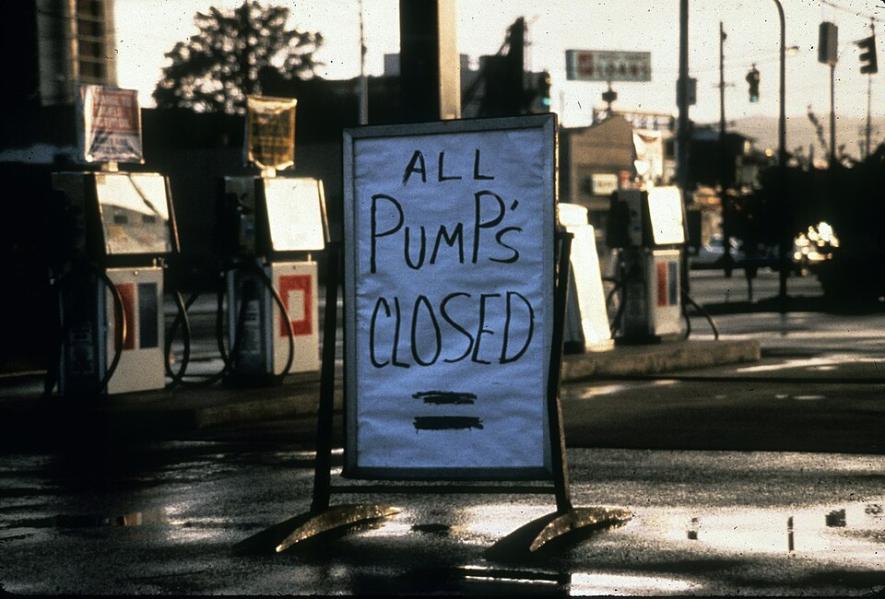
Representational Image. Image Courtesy: Wikimedia Commons
There is a strange kind of quiet after the power goes out. There is not only a lack of light, but also a sudden loss of confidence. The fan slows down, the refrigerator hums less, and the Wi-Fi goes out. This makes one feel a little more worried. In India today, this feeling of discomfort is called energy anxiety. It is not a common political term yet, and it is not as important as inflation or unemployment.
But the fear of energy is real, widespread, and quietly changing how people see the government, the economy, and their own future. Energy anxiety is the worry—sometimes right away, but usually ahead of time—that cheap, reliable energy won't be available anymore.
People in different parts of India experience it differently. In big cities, it shows up as people being unhappy with rising electricity rates and unreliable supply during heat waves. In rural homes, it's more about life and death: they don't know if the power will last all night or if the solar panels will work when it rains. This fear is so strong because energy is no longer a background utility. It has become a necessary part of modern life in ways that make people more vulnerable. Power must be available all the time for work, school, health care, and communication. A small interruption is no longer just an annoyance; it is a disruption to life itself.
There are both structural and environmental reasons for this worry. India's need for energy is rising quickly because of urbanisation, digitisation, and temperature extremes caused by climate change. Summers are getting hotter, which is making peak demand go up even more. The change in energy, on the other hand, has made things more uncertain.
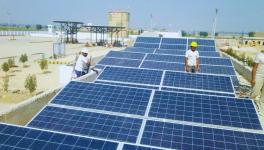
Many people think that renewable energy, especially solar energy, is the answer to India's energy problems. It is, in a lot of ways. But the change isn't even. During the monsoon season, solar power goes down, which is when some places have the most trouble with energy. The infrastructure for storage isn't good enough, and integrating it into the grid is still a problem for technology and government.
For populations currently experiencing energy poverty, these disparities extend beyond mere policy considerations. These are real things that happen. A decentralised solar setup could shine in April but struggle in July. Even a reliable grid can buckle when pushed. The final act is a tangled web of optimism and uncertainty, a place where the thrill of innovation battles with skepticism about its longevity.
This uncertainty is also caused by policy. For example, India has been working for the past 10 years to make it easier for people to get energy and move toward renewable sources. But it's not always the same when it comes to implementation. Local governments are overworked, subsidies are late, and it's hard for federal and state officials to talk to each other. This situation creates what could be called a "trust deficit" in energy systems.
People are becoming more doubtful that promises like reliable, 24-hour power, fair prices, and long-lasting improvements will be kept. As trust erodes, anxiety inevitably fills the void.
There is also a geopolitical part that can't be ignored. India's energy sector still depends on global markets, especially for fossil fuels. Price shocks, supply problems, and wars in other countries all affect the domestic market. The LPG problem, rising fuel prices, and worries about the supply chain -- all make people feel more vulnerable when it comes to energy security. In this case, the worry about energy goes beyond home issues to become a national mood.
But it's important to remember that anxiety isn't always a bad thing. It can also be good for politics. In the past, times when people were worried have led to new policies and changes in institutions. The question is whether India's growing energy worry will be noticed and dealt with before it turns into distrust. To deal with it, you need to do more than just increase generation capacity. It requires a complete overhaul of how energy policy is made and put into action.
First, reliability should be just as important as growth. Access is not as important as consistency. This is especially important for systems that are spread out, since maintenance, local capacity, and seasonal changes must all be taken into account during design and implementation.
Second, it's important to talk to each other. People need clear, easy-to-understand information about energy systems, including how these work, what they can't do, and what to expect when things go wrong. Uncertainty tends to increase in the absence of information. Policies should be flexible, accommodating local circumstances.
A standardised approach to renewable energy implementation could potentially intensify existing inequalities. Regions prone to monsoon-induced challenges, for instance, necessitate tailored approaches that integrate storage technologies, hybrid systems, and community involvement.
Energy justice, in the final analysis, must transcend mere verbal commitments and manifest as concrete measures. This necessitates the equitable allocation of the economic, environmental, and social benefits stemming from the energy transition, concurrently safeguarding vulnerable communities from experiencing disproportionate risks. India presently finds itself at a pivotal juncture in its energy transformation.
The shift toward cleaner, more sustainable systems is both essential and unavoidable.
Transitions, however, seldom occur without friction. These inherently generate uncertainty, which, in turn, fosters anxiety. The objective is to navigate energy-related anxiety, rather than eliminate it entirely—a feat that may be unattainable or even counterproductive.
The aim is to transform this anxiety from a cause of apprehension into a catalyst for improved policy, more robust institutions, and more equitable systems. This is because, at its core, energy transcends mere power; it fundamentally involves trust. In a nation as vast and intricate as India, this trust could prove to be its most invaluable asset.
The writer is a columnist and climate researcher with experience in political analysis, ESG research, and energy policy. The views are personal.
Get the latest reports & analysis with people's perspective on Protests, movements & deep analytical videos, discussions of the current affairs in your Telegram app. Subscribe to NewsClick's Telegram channel & get Real-Time updates on stories, as they get published on our website.