





DR Congo on Edge Despite M23 Withdrawal From Uvira
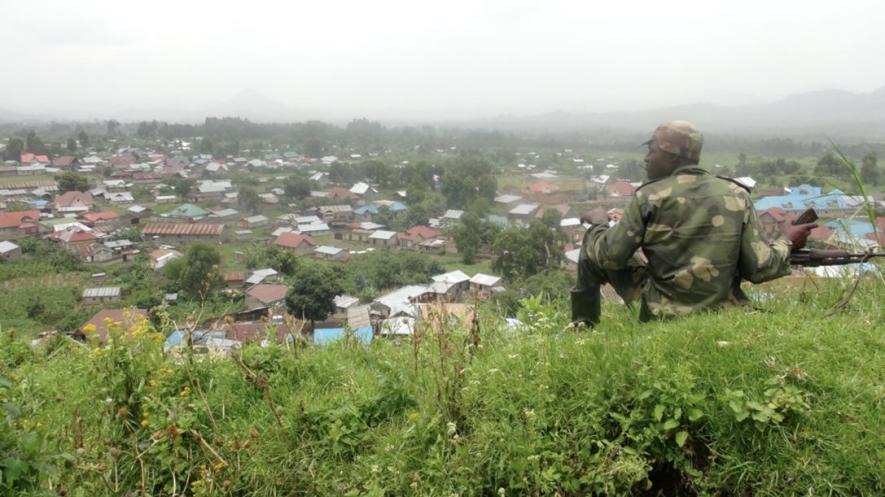
M23 rebel outside of Bunagana, North Kivu. Photo: Wikimedia Commons / VOA
Despite multiple peace agreements involving the Democratic Republic of Congo (DRC), the M23 rebel group, and Rwanda, the security and humanitarian situation in eastern Congo remains deeply fragile. Recent developments, including the withdrawal of M23 fighters from the strategic city of Uvira in South Kivu, have offered a brief sense of relief to civilians, but fears of renewed violence persist amid ongoing instability, displacement, and allegations of serious human rights violations.
A heavy civilian toll
The Congolese government has accused M23 of killing at least 1,500 civilians during recent fighting, even after a US-brokered ceasefire was announced. These claims add to a long history of ceasefires and peace deals that have failed to bring lasting stability to Congo, a region plagued by armed conflict for nearly three decades.
According to Stewart Muhindo, a member of the LUCHA civil society movement, who spoke to People Dispatch, civilians have borne the brunt of the conflict over the past months. He says that they have been killed during clashes between armed groups and state forces, while thousands more have been forced to flee their homes.
“In the past month, M23 moved into South Kivu and took Uvira,” Muhindo explained. “Thousands of civilians had to cross into Burundi to escape the fighting.”
Displacement has been accompanied by widespread loss of property and livelihoods. Civilians report that armed fighters looted homes, shops, and farms, stealing food, livestock, and personal belongings. For many families already living in poverty, these losses have been devastating.
An unstable calm after withdrawal
Although M23 has withdrawn from Uvira, the situation on the ground remains tense. Muhindo stressed that the group is still positioned roughly 30 kilometers from the city, close enough for fighting to resume at any time.
“The situation is still not stable,” he said. “People are afraid because clashes can break out at any moment.”
Fear is not limited to the possible return of M23. Civilians have also reported abuses by the Congolese army (FARDC) since it re-entered the city. While many residents welcomed the return of state authority, there are ongoing allegations that some soldiers have engaged in looting and harassment.
This dual threat, from rebel forces and undisciplined state troops, has left civilians feeling trapped between armed actors, with little confidence in their long-term safety.
The withdrawal of M23 has brought some immediate changes. Residents report improved freedom of movement and expression, as the group was known to be hostile to criticism and dissent in areas it controlled. Markets have slowly reopened, and people are cautiously resuming daily activities.
However, the physical damage left behind is extensive. Infrastructure projects, including roads and public facilities in and around Uvira, were halted or destroyed during the fighting. These disruptions have worsened access to healthcare, food supplies, and humanitarian aid.
While some civilians have expressed relief at the army’s return, conditions remain unsafe for large-scale returns of displaced people. Many families who fled to Burundi or to other parts of South Kivu are waiting to see whether the situation stabilizes before going back. According to Muhindo, humanitarian needs remain severe.
Human rights abuses have been widely reported during both the occupation by M23 and the subsequent return of Congolese forces. These include killings of civilians, looting, forced displacement, and destruction of property.
Muhindo pointed out that while people generally prefer being under FARDC control rather than M23, violations by state forces show how volatile the situation remains. “This shows that a lot of work still needs to be done,” he said.
Why peace agreements keep failing
According to Muhindo and other activists, peace agreements have failed because they do not address the root causes of the conflict. Muhindo highlighted several structural problems, including regional interference, weak governance, and impunity.
He points out Rwanda’s repeatedly destabilizing eastern Congo by supporting armed groups whenever strategic or economic interests, particularly access to minerals, are at stake. At the same time, he criticized the Congolese state for corruption, poor governance, and an army that is often unable or unwilling to protect civilians.
Another key issue is the lack of accountability. “Both sides know they will not be held responsible,” Muhindo said, arguing that this culture of impunity allows violence, looting, and killings to continue without consequences.
He also criticized international peace initiatives, including high-level diplomatic deals, for focusing more on mineral interests than on justice and long-term peace for Congolese communities.
Community solidarity
In the absence of effective protection, local communities have relied on solidarity to survive. Families share food, shelter displaced neighbors, and support one another in times of crisis. Local organizations and movements like LUCHA have played a critical role in documenting abuses and amplifying voices from the ground.
Churches, youth groups, and civil society organizations have also been involved in humanitarian support, peace advocacy, and community awareness, even as their work becomes increasingly dangerous.
For many Congolese, the main demand is simple but urgent: peace. Communities want an end to occupation, armed violence, and forced displacement. While humanitarian assistance is desperately needed, Muhindo reiterates that aid alone is not enough. What is required is a political solution that addresses governance failures, regional and global interference, accountability for crimes, and meaningful protection for civilians.
Courtesy: Peoples Dispatch
Get the latest reports & analysis with people's perspective on Protests, movements & deep analytical videos, discussions of the current affairs in your Telegram app. Subscribe to NewsClick's Telegram channel & get Real-Time updates on stories, as they get published on our website.