





District Collector to District Sevika: Rethinking Civil Services For Our Republic at 100
As India moves toward the historic milestone of 2047, the nation must ask difficult questions about the institutions that shape its governance. Among them, none is more influential than the higher civil services. The Indian Administrative Service remains one of the most prestigious public institutions in the country. Yet prestige alone cannot substitute for performance. Public trust is sustained not by authority but by accountability, humility and measurable outcomes.
The administrative system inherited from the colonial era was designed for a fundamentally different purpose. The British Indian Civil Service existed to maintain imperial order, collect revenue and protect the interests of the Empire. Although independent India transformed the legal and constitutional framework, many of the administrative habits, symbols and hierarchies survived. The office of the District Collector itself reflects this historical legacy. The title originated from the responsibility of collecting land revenue rather than serving democratic aspirations.
Seventy five years after Independence, India deserves an administrative architecture that reflects the values of the Constitution rather than the priorities of colonial governance. The citizen is no longer a subject of the State. The citizen is the sovereign. Every public servant must therefore understand that authority flows from the people and must remain accountable to them.
This does not mean that the civil services have failed entirely. India has produced many extraordinary officers who have demonstrated courage, honesty, innovation and compassion under difficult circumstances. Across states, several IAS officers have transformed schools, strengthened healthcare systems, improved disaster management and protected vulnerable communities. Their contributions deserve recognition and respect.
At the same time, public dissatisfaction with bureaucracy cannot simply be dismissed as frustration or misunderstanding. Delays in decision-making, allegations of corruption, lack of responsiveness, excessive procedural rigidity and concentration of administrative power continue to weaken public confidence. Whether these problems arise from individual failures or institutional incentives, they demand serious reform rather than denial.
The debate, therefore, should not be whether the IAS should exist. The real question is whether the structure and culture of the civil services are adequate for a 21st century democracy.
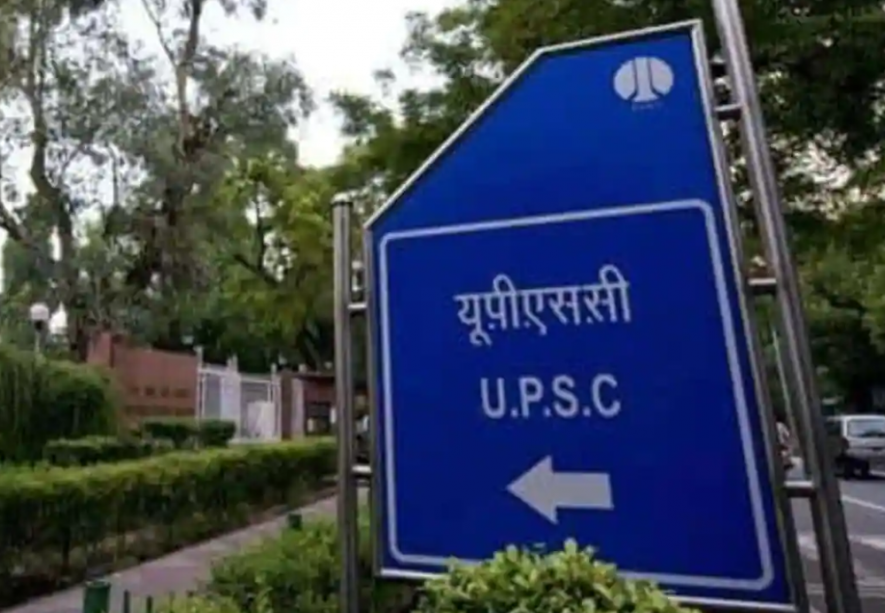
The Union Public Service Commission continues to recruit exceptionally talented candidates from diverse academic backgrounds. Engineers, doctors, economists, lawyers, scientists, social scientists and graduates from many disciplines enter the services every year. Yet excellence in an examination is only the beginning of public leadership. Administrative success ultimately depends upon ethical conduct, continuous learning, emotional intelligence, integrity and measurable delivery.
India should, therefore, expand the pathways through which leadership enters public administration. Professionals with distinguished records in education, agriculture, public health, technology, law, social work, local governance, entrepreneurship and community development should have greater opportunities for lateral entry into senior administrative positions through transparent and merit-based mechanisms. A democracy benefits when experience from multiple sectors enriches governance.
Odisha’s centenary in 2036 presents an opportunity to become a laboratory of democratic administrative reform. The State could pioneer new models of public accountability that later inform India’s journey towards 2047. Every district administration should publish annual performance dashboards, independent citizen satisfaction surveys and transparent outcome indicators covering education, health, agriculture, employment, environmental protection and social justice.
Financial transparency must also become a defining principle of public service. Every senior public official should file periodic property declarations under a robust legal framework with appropriate safeguards for privacy, security and due process. Such disclosures should be independently verified wherever legally permissible. Transparency protects both honest officers and public confidence. It is not a punishment but an affirmation that public office is a public trust.
Equally important is the culture of everyday administration. Citizens frequently complain not only about delays but also about the manner in which they are treated. Respectful behaviour should never depend upon a person’s social status, political influence or economic power. Every visitor to a government office deserves dignity, courtesy and timely communication. Public servants are salaried by taxpayers. They occupy positions of constitutional responsibility, not social superiority.
Language also shapes institutional culture. Perhaps the time has come to reconsider administrative titles inherited from colonial rule. The designation “District Collector” symbolises revenue extraction from another era. A title such as “Zilla Sevaka” or “District Public Servant” would better communicate the democratic philosophy that government exists to serve rather than command. Such a symbolic change alone will not transform governance, but symbols often influence institutional behaviour and public expectations.
Administrative reform must also include regular performance evaluation linked to measurable outcomes rather than merely seniority. Officers who consistently demonstrate innovation, ethical leadership and exceptional public service should be rewarded. Those who repeatedly fail to deliver or are found guilty of corruption after due process should face meaningful consequences. Accountability should be fair, evidence based and free from political interference.
Technology offers another avenue for reform. Digital governance can reduce discretionary power, minimise corruption, improve service delivery and increase transparency. Every government department should publish real time service standards, grievance redress timelines and public performance indicators. Citizens should know not only what government promises but also how effectively those promises are fulfilled.
However, reform must avoid simplistic conclusions. Administrative shortcomings cannot be attributed solely to individual officers. Political leadership, institutional capacity, judicial delays, financial constraints, outdated laws and overlapping jurisdictions also influence governance outcomes. Sustainable reform therefore requires cooperation among elected representatives, civil servants, the judiciary, local governments, academia, civil society and citizens.
India has repeatedly demonstrated its ability to reform institutions when national consensus emerges. Economic liberalisation, electoral reforms, digital payments and large- scale welfare delivery illustrate the country’s capacity for transformation. Civil service reform deserves similar national attention.
The Republic approaching its centenary demands not merely efficient administrators but servant leaders. Public office should inspire trust rather than fear, cooperation rather than hierarchy and service rather than privilege. The measure of an administrator should not be the power exercised from an office but the confidence earned in the hearts of ordinary citizens.
If Odisha can initiate a new model of accountable, transparent and citizen centred administration by 2036, it may provide a blueprint for India in 2047. The journey from District Collector to District Sevika would then represent far more than a change of designation. It would symbolise the evolution of Indian democracy itself, where governance is defined not by authority over people but by unwavering commitment to the people.
The writer is Director, Centre for Adivasi Research & Development (CARD), Odisha. The views are personal.
Get the latest reports & analysis with people's perspective on Protests, movements & deep analytical videos, discussions of the current affairs in your Telegram app. Subscribe to NewsClick's Telegram channel & get Real-Time updates on stories, as they get published on our website.